
Syndication
Can You Switch From 506(b) to 506(c) Mid-Raise?
Can you switch from 506(b) to 506(c) mid-raise? When the SEC allows a change, when the offering stays 506(c), and how the hybrid path works after investors have signed.
8 min read
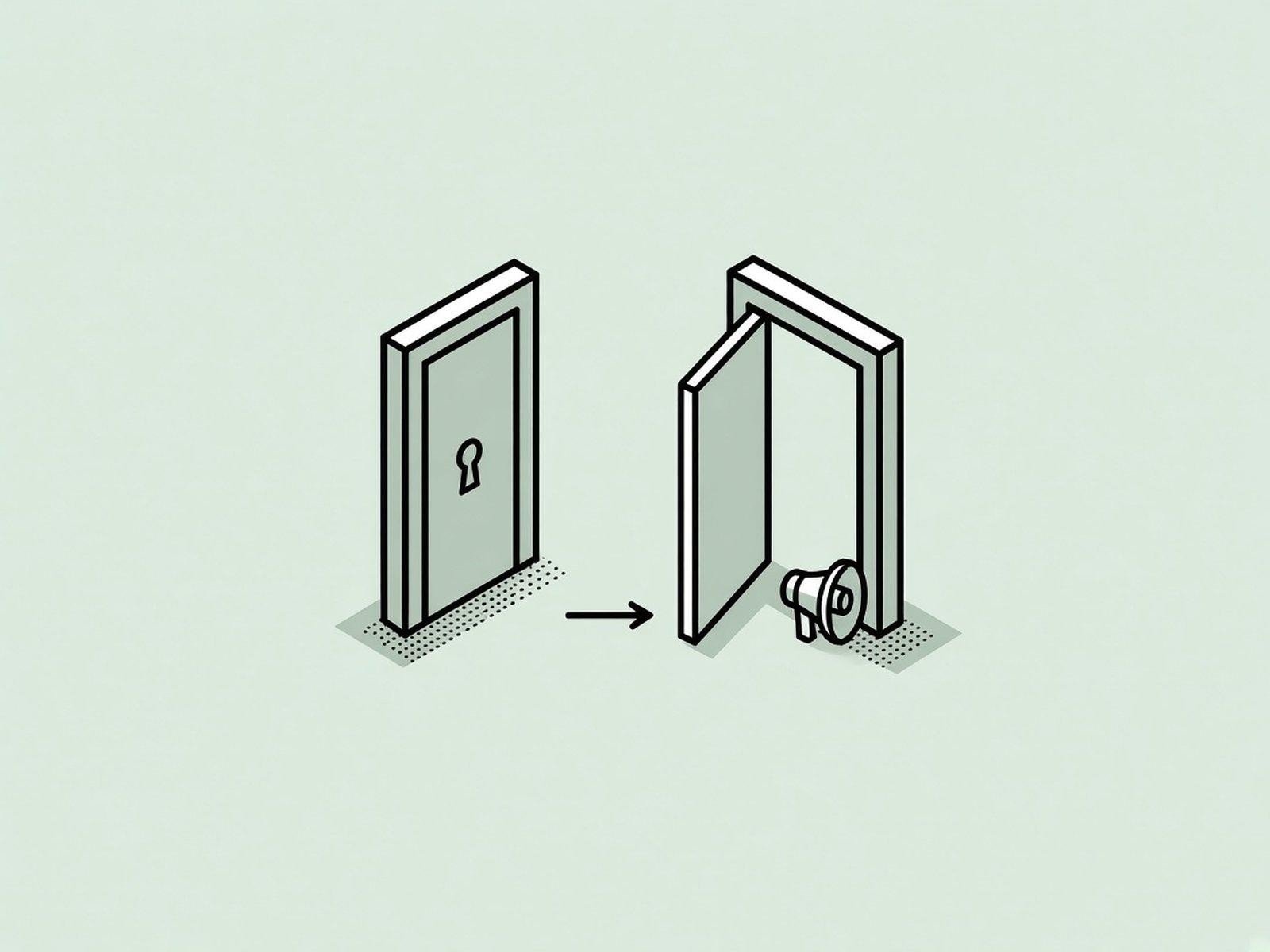
Yes, a real estate syndication can move between Rule 506(b) and Rule 506(c), but only at certain points, and the Form D has to match the rule the offering ends up relying on. Before any sales, a 506(b) offering can switch to 506(c) if every sale then meets 506(c). After 506(b) investors have already signed, the practical path is to finish that offering and open a separate 506(c) raise, which can be advertised, for the rest of the capital.
That second sequence is what sponsors usually mean by "switching mid-raise." It fits a deal that starts with a warm network and then needs outside capital to close the gap.
For which rule sponsors actually file, see Is 506(c) taking over real estate syndication?.
When can you switch between 506(b) and 506(c)?
A sponsor can switch the same offering from 506(b) to 506(c) only before any sales, and from 506(c) to 506(b) only if it never used general solicitation, amending the Form D either way1. After 506(b) sales, the 506(c) runs as a new offering. The full set of switching rules, with a decision checklist, is in 506(b) vs 506(c): which should your real estate syndication use?.
What if investors have already signed under 506(b)?
If sales have already happened under 506(b), the public raise is treated as a new 506(c) offering rather than a midstream change to the same Form D.
That is the hybrid path:
- The sponsors close out the 506(b) raise with the investors who already have a relationship with them.
- Every 506(b) investor signs before the 506(c) opens.
- A separate 506(c) offering opens for the remaining capital, with documents and verification that match 506(c).
- The 506(c) offering gets its own new Form D, filed within 15 days after its first sale2. The 506(b) Form D stays as filed.
GrowIt's process follows that sequence. Sponsors can start on 506(b) with their warm network, get those subscriptions signed, and only then open 506(c) marketing for the rest of the equity.
When is a 506(b) raise finished?
A 506(b) raise is finished, for the SEC's integration rule, when the sponsor and anyone acting for it stop making further offers under that offering3. That matters because the rule only keeps a later offering that allows general solicitation separate from an earlier offering that has been terminated or completed3.
For Regulation D offerings, Rule 152(d) lists the later of two dates as a factor in deciding when the offering ended3:
- the date the issuer entered into a binding commitment to sell all securities to be sold in the offering, subject only to conditions outside the investor's control
- the date the issuer and its agents stopped efforts to make further offers under the offering
The list is non-exclusive, and the answer depends on the facts. A 506(b) offering with open offers still out, or with investors still being pitched, has not ended under that test.
What happens to investors who committed but haven't funded?
Investors who signed a binding subscription agreement in the 506(b), with only conditions outside their control left (such as the deal closing), fit Rule 152(d)'s binding-commitment factor even if their money hasn't arrived yet3. The SEC uses a similar test for Form D timing: the date of first sale is when the first investor is irrevocably contractually committed to invest2.
Softer commitments are different. A prospect who has given only a verbal or soft commitment hasn't signed a binding agreement, and continuing to pitch that prospect means the 506(b) is still being offered. Sponsors usually get those subscriptions signed, or stop offering to those prospects under the 506(b), before 506(c) marketing begins. How to handle a specific late investor is a question for securities counsel.
Why can't 506(c) prospects move into the 506(b)?
People who found the deal through 506(c) advertising generally can't be moved into the 506(b) offering. For an offering that prohibits general solicitation, Rule 152(a)(1) requires the issuer to reasonably believe that each purchaser either was not solicited through general solicitation or had a substantive relationship with the issuer before that private offering began3. A prospect who responded to a public post meets neither test.
That rule still applies when a private offering follows a public one by more than 30 days, so waiting does not fix it3. It is also why the order matters: a 506(b) first and a 506(c) second, once the 506(b) is completed, fits the integration safe harbor in Rule 152(b)(4), while the reverse order carries the solicitation question into the private raise.
What changes when the 506(c) portion opens?
Once the 506(c) offering is open, every new purchaser has to be an accredited investor, and the issuer has to take reasonable steps to verify that status45. The SEC's 2013 adopting release said that having a purchaser only check a box in a questionnaire or sign a form, with no other information, is not reasonable verification (Rule 506(c) adopting release (opens in a new tab), Securities Act Release No. 33-9415).
Since March 2025, a high minimum investment can count. SEC staff agreed that a minimum of at least $200,000 for individuals or $1 million for entities, plus the investor's written statements that they are accredited and that the minimum isn't financed by a third party for this investment, can be reasonable steps to verify when the issuer knows of nothing to the contrary6. SEC staff interpretation Question 256.36 makes the same point1. For a hybrid raise, that means a 506(c) portion with a high minimum may be able to rely on the minimum and those written statements instead of collecting tax returns or bank statements, as long as the letter's conditions are met. How sponsors are using those minimums is covered in Is 506(c) taking over real estate syndication?.
Earlier 506(b) investors who already purchased in the completed private offering are not re-sold into the 506(c) offering just because a new raise opened. Verification applies to purchasers in the 506(c) offering. If someone who signed under 506(b) later buys additional interests in the 506(c) offering, that later purchase falls under 506(c) rules, including verification.
Documents and filings change to match the new exemption:
| Piece | What changes for the 506(c) portion |
|---|---|
| Subscription agreement | Collects accredited status and the verification evidence the issuer relies on |
| PPM and marketing | "No general solicitation" language comes out, and public claims stay consistent with the PPM |
| Form D | A new Form D for the 506(c) offering, with the 506(c) box checked2 |
| State notices | Blue sky notices for the states where new investors live |
| Investor onboarding | Verification for every 506(c) purchaser |
States can still require notice filings and fees under both rules4.
When does the hybrid path make sense?
The hybrid path fits a deal that can raise a first slice from people the sponsors already know, then needs public marketing to close the gap.
It usually makes sense when:
- The sponsors' warm network can cover part of the equity, but not all of it
- The sponsors want to keep early conversations private and avoid advertising until those subscriptions are in
- Every investor expected in the public portion can complete accreditation verification
- Running two clean offerings on one deal is workable, rather than stretching one exemption past what the SEC's guidance covers
It is usually a poor fit when the deal still needs sophisticated non-accredited investors after advertising starts, when there isn't time to close the 506(b) subscriptions first, or when the remaining raise is too small to justify a second offering. In those cases, sponsors usually pick one exemption up front with counsel.
How does GrowIt handle a 506(b) then 506(c) raise?
GrowIt sets up both 506(b) and 506(c) syndications for real estate sponsors. Setup covers three LLCs (Management, Holding, and Property), standardized syndication docs drafted by attorneys, operating and subscription agreements, PPM risk factors, Form D and state filings, and business bank accounts, typically in less than a week (what setup includes; pricing).
For the hybrid path, GrowIt's process is that all 506(b) investors sign before the 506(c) opens. GrowIt's investor portal is separate from setup, at $1,200 per deal per year (pricing). It handles onboarding for the 506(c) portion with KYC/KYB, AML screening, e-signatures, and accreditation verification (investor onboarding).
Sponsors still choosing the starting exemption can begin with the 506(b) vs 506(c) decision guide. To have the LLCs, documents, and filings handled together, book a demo.
FAQ
Can I convert a live 506(b) offering to 506(c) after the first sale?
The SEC's guidance addresses a same-offering switch only before any sales1. After sales, the cleaner path is finishing 506(b) and opening a separate 506(c).
Do my early 506(b) investors have to be re-verified for 506(c)?
No, not for interests they already bought in a completed 506(b) offering. Verification applies to purchasers in the 506(c) offering4.
Can I advertise while 506(b) subscriptions are still open?
No. Rule 506(b) does not allow general solicitation (SEC: Rule 506(b) (opens in a new tab)). Sponsors close those subscriptions before 506(c) marketing begins.
Do I need a new Form D for the 506(c) portion?
Yes. A separate 506(c) offering gets its own Form D, filed within 15 days after its first sale with the 506(c) box checked2. The 506(b) Form D stays as filed.
Can I switch back to 506(b) after I advertise?
Not for that offering. Once an issuer uses general solicitation, Section 4(a)(2) is unavailable1. A later private raise needs its own analysis under the integration rules, and people found through the advertising generally can't join it3.
Sources
-
SEC: Securities Act Rules Compliance and Disclosure Interpretations (opens in a new tab), Questions 260.11 and 260.12 (switching exemptions and amending Form D), 260.13 (general solicitation and Section 4(a)(2)), and 256.36 (high minimum investment as verification). ↩︎ ↩︎2 ↩︎3 ↩︎4
-
SEC: Filing a Form D notice (opens in a new tab), which says Form D is due within 15 days after the first sale, the date the first investor is irrevocably contractually committed to invest. ↩︎ ↩︎2 ↩︎3 ↩︎4
-
eCFR: 17 CFR 230.152, integration (opens in a new tab), including paragraph (a)(1) (purchasers in an offering that prohibits general solicitation), (b)(1) and (b)(4) (safe harbors), and (d) (when an offering is terminated or completed). ↩︎ ↩︎2 ↩︎3 ↩︎4 ↩︎5 ↩︎6 ↩︎7
-
SEC: General solicitation, Rule 506(c) (opens in a new tab). ↩︎ ↩︎2 ↩︎3
-
eCFR: 17 CFR 230.506(c) (opens in a new tab), the conditions for offerings that use general solicitation, including reasonable steps to verify accredited status. ↩︎
-
SEC: Latham & Watkins no-action letter, March 12, 2025 (opens in a new tab), staff views on minimum investment amounts and written representations under Rule 506(c). It is staff guidance, not a rule. ↩︎
Ready to Get Started?
Schedule a consultation to learn how GrowIt can help you with your real estate capital raise journey.